Understanding Rinha de Galos and 44Q
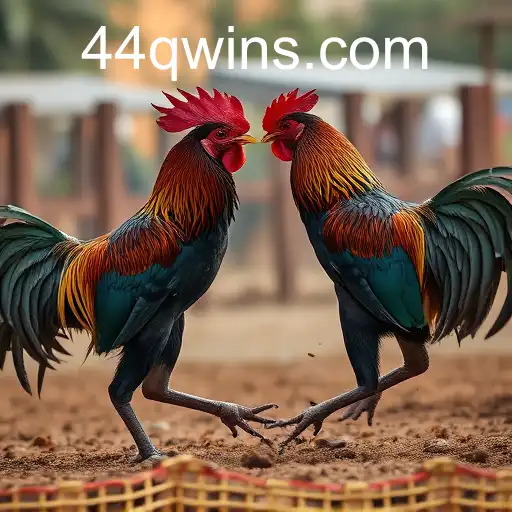
Rinha de Galos, or cockfighting, is a contentious and often polarizing topic that has sparked debates across cultural, ethical, and legal realms. This traditional activity, which involves the fighting of gamecocks, has a long and storied history in various regions across the globe. Intriguingly intertwined with this issue is the term 44Q, which has recently gained traction for its enigmatic involvement in discussions around cockfighting.XXVIP
Historical Roots of Cockfighting
The practice of cockfighting dates back thousands of years and has been documented in numerous ancient civilizations. Its origins are often traced to Asia, where it was not only a sport but a cultural event that was woven into the fabric of society. Across Southeast Asia, parts of Europe, and Latin America, cockfighting was celebrated for its display of bravery and strength—a ritual seen as a testament to the prowess of the animals involved and the skill of their handlers.
This storied tradition eventually made its way to other parts of the world, including Spain and subsequently regions such as the Caribbean and Central and South America through colonization. In these areas, cockfighting became entrenched in local culture, often associated with festivals and gatherings, blending with the social and historical fabric.
44Q: The Enigma in Cockfighting Discussions
The advent of 44Q in discussions around cockfighting has added another layer of complexity. While some associate this term with modern regulatory codes or local ordinances meant to curb or control the practice, others view 44Q as a symbol of the underground networks that keep this controversial sport alive despite increasing legal scrutiny.
There are many interpretations and few definitive answers regarding the specifics of 44Q. Still, it undeniably highlights the tension between tradition and regulation, shedding light on the ongoing struggles faced by communities where rinha de galos remains prevalent.
Modern Legal and Ethical Concerns
The conversation surrounding rinha de galos is heavily dominated by legal and ethical considerations. Many countries have banned the practice, labeling it as a form of animal cruelty while emphasizing animal rights and welfare. Within these jurisdictions, passionate debates ensue, weighing the cultural heritage and customs against the modern ethos of humane treatment of animals.9PO
This juxtaposition often leads to clandestine cockfighting events, carried out away from the eyes of authorities. The mention of 44Q often arises in these contexts—a coded reference perhaps, or a subtle nod to the secrecy surrounding illegal operations.
The ethical debate is fiercely contested, with proponents arguing for the preservation of cultural heritage and detractors opposing the inherent violence and cruelty inflicted on the animals involved. Animal rights organizations often highlight the brutal nature of fights, where gamecocks are equipped with razor-sharp blades, leading to inevitable harm and frequent fatalities.
The Cultural Perspective
For many, rinha de galos is more than just a sport; it is a deeply ingrained cultural tradition that offers community bonding and identity. In areas where it has been practiced for centuries, cockfighting is celebrated not merely for its entertainment value but as a social event that brings individuals together, showcasing regional pride and craftsmanship.XXVIP
This cultural dimension is a significant reason why cockfighting persists in some areas despite sweeping legal restrictions. The challenge lies in reconciling these age-old traditions with contemporary sensibilities. Discussions marked by terms like 44Q illuminate the ways communities negotiate these complex dynamics.777ii.com
Economic Impact and Community Dynamics
Cockfighting also carries an economic significance in some regions, often providing livelihoods to those involved in breeding, training, and organizing events. This economic layer further complicates the landscape, as the prohibition of such events could lead to economic downturns for communities reliant on them.939bet
The exact role of 44Q here is speculative; it could hypothetically refer to a framework catering to the unique economic needs of these communities, or, contrarily, symbolize shadow economies that operate independently of formal oversight. This economic aspect underscores the multifaceted nature of the rinha de galos debate, where livelihoods, legality, and ethics intersect.
Concluding Thoughts on Rinha de Galos and 44Q
The practice of rinha de galos remains a controversial yet compelling topic that continues to stir debate worldwide. Amidst the evolving landscape of cultural acknowledgment and humane treatment of animals, 44Q emerges as an intriguing concept with multiple interpretations. Whether as an emblematic signifier of the challenges or a coded language within clandestine circuits, 44Q's role invites further exploration as the debate evolves.